
Does the world really need another matcha brand?
our (colonial) obsession with taking tea

In 1848, a Scottish botanist named Robert Fortune entered China’s Fujian province disguised as a Chinese man. What on earth was this 19th century Chinamaxxer up to? And what does this have to do with our current obsession with matcha?
The answer lies within tea. Ordinary black tea.
In the 19th century, Britain had gone crazy for boiled leaf juice, which back then, was still a relatively rare commodity to the Western world. Tea had not yet become synonymous with the British idenitity but was instead revered as a light, energising and exotic beverage from the faraway, fashionable China, where it had already been consumed for two thousand years.
Matcha, or powdered green tea, has similarly entered the Western mainstream as a wellness-coded, energising and exotic beverage as tea once did three centuries prior. As tea was initially popularised by European royal families and the aristocrat class, matcha entered the scene via their modern equivalent - influencers, more specifically the “clean girls” of the 2021 “clean-girl aesthetic”.
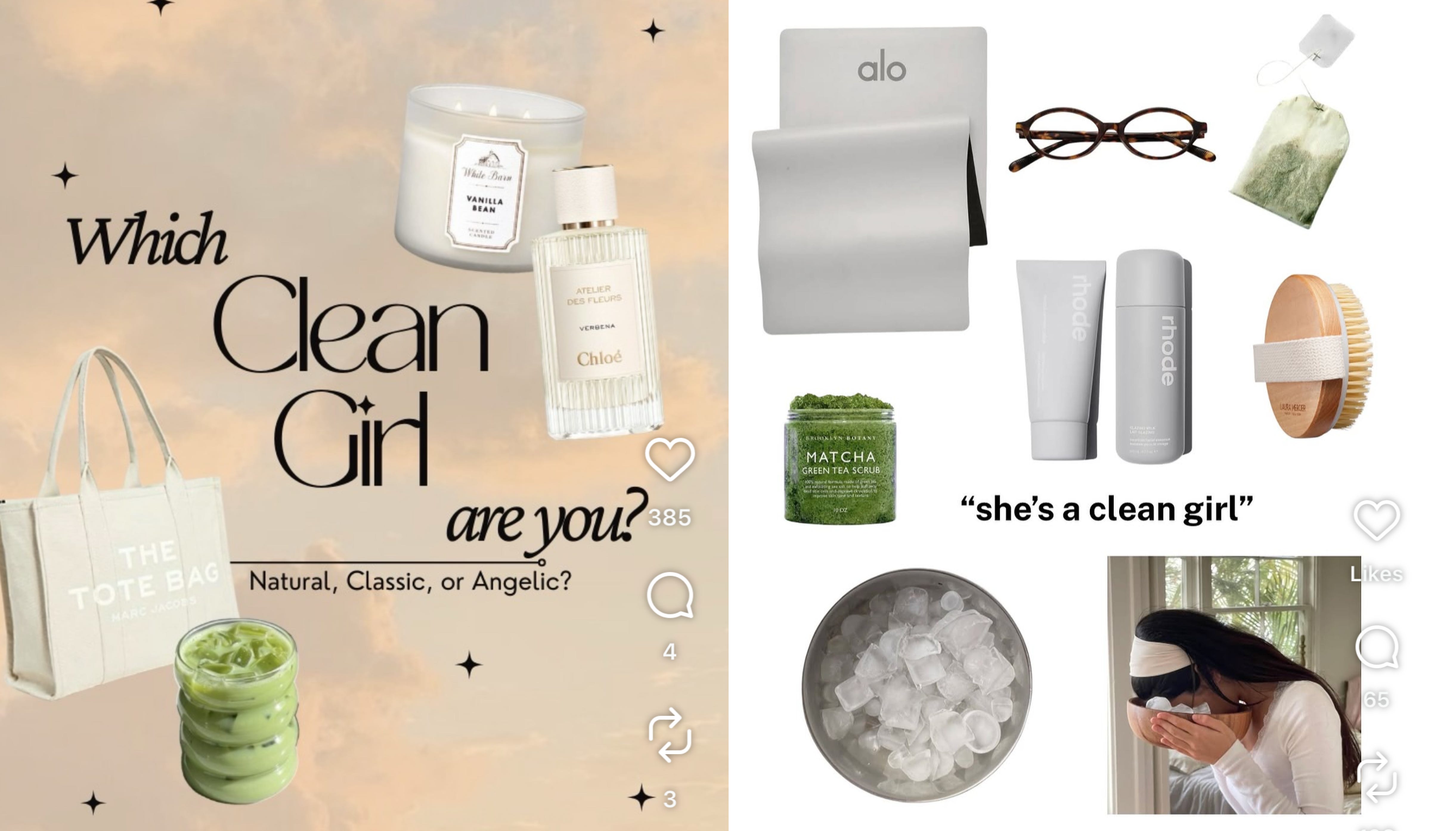
The Gen Z clean girls rejected the millennial messiness of their predecessors. Nights out were replaced with morning pilates classes and alcohol with matcha - the cooler, camera-friendly, oriental cousin of coffee and sister of green juice.
The 2021 “clean-girl aesthetic” collided with the post-COVID travel boom, and the clean girls were now going to Japan - the feed-friendly, zen utopia; the birthplace of Onitsuka Tigers and of course, matcha.
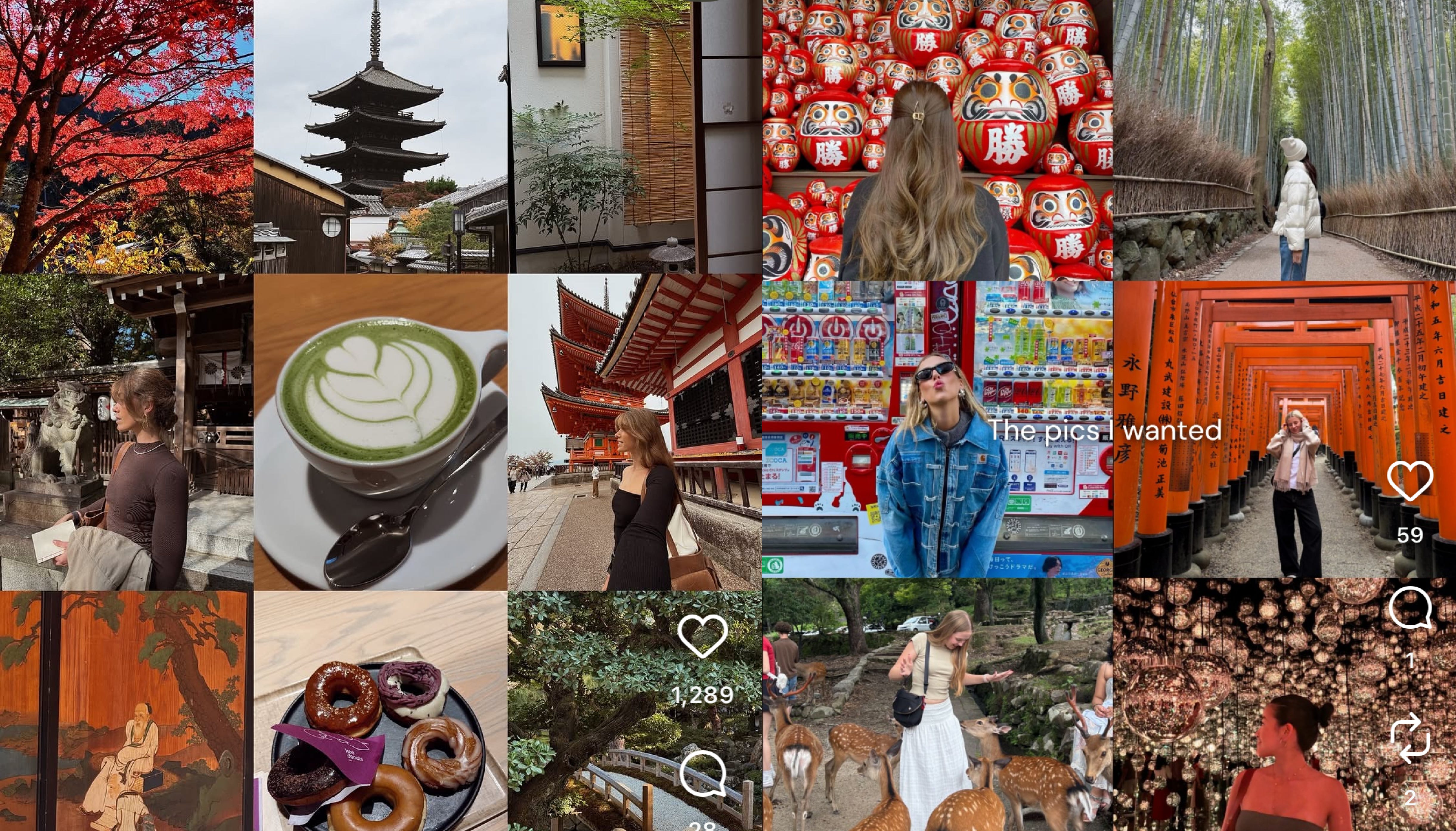
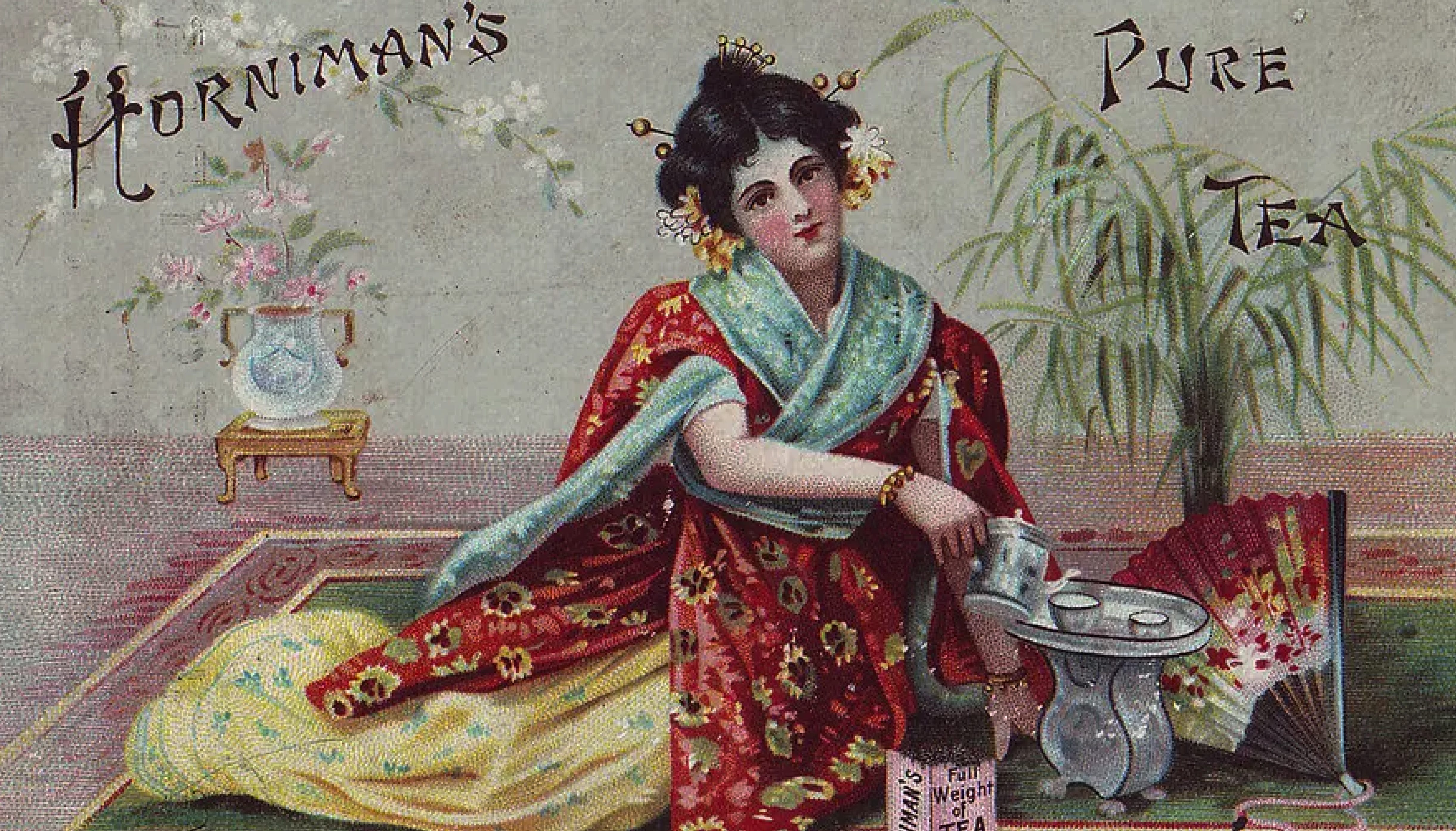
Tea in the 18th and 19th centuries similarly made its way into the cabinets of the European socialite classes via Chinoiserie, or a love for all things Chinese. Owning Chinese items like porcelain and tea became markers of taste and status, much like how travelling to Japan, wearing Japanese brands or drinking matcha has been aestheticised on social media today.
But we as humans thrive on collectivism. We aspire to be like those we look up to. It’s why trend-setters have existed throughout history, whether as socialites of the past or as modern-day influencers. Paired with our addiction to the overactive reach of the social media algorithm, we’ve arrived at a place in time where everyone and their sister wants to travel to Japan and take a sip of the bright green Kool-Aid. So much so that as of 2021, Japan has risen to the top of the World Tourism Index, and the global demand for matcha has nearly tripled in the last 10 years. The US now reigns as Japan’s largest importer of matcha, accounting for 80% of the nation’s total exports.
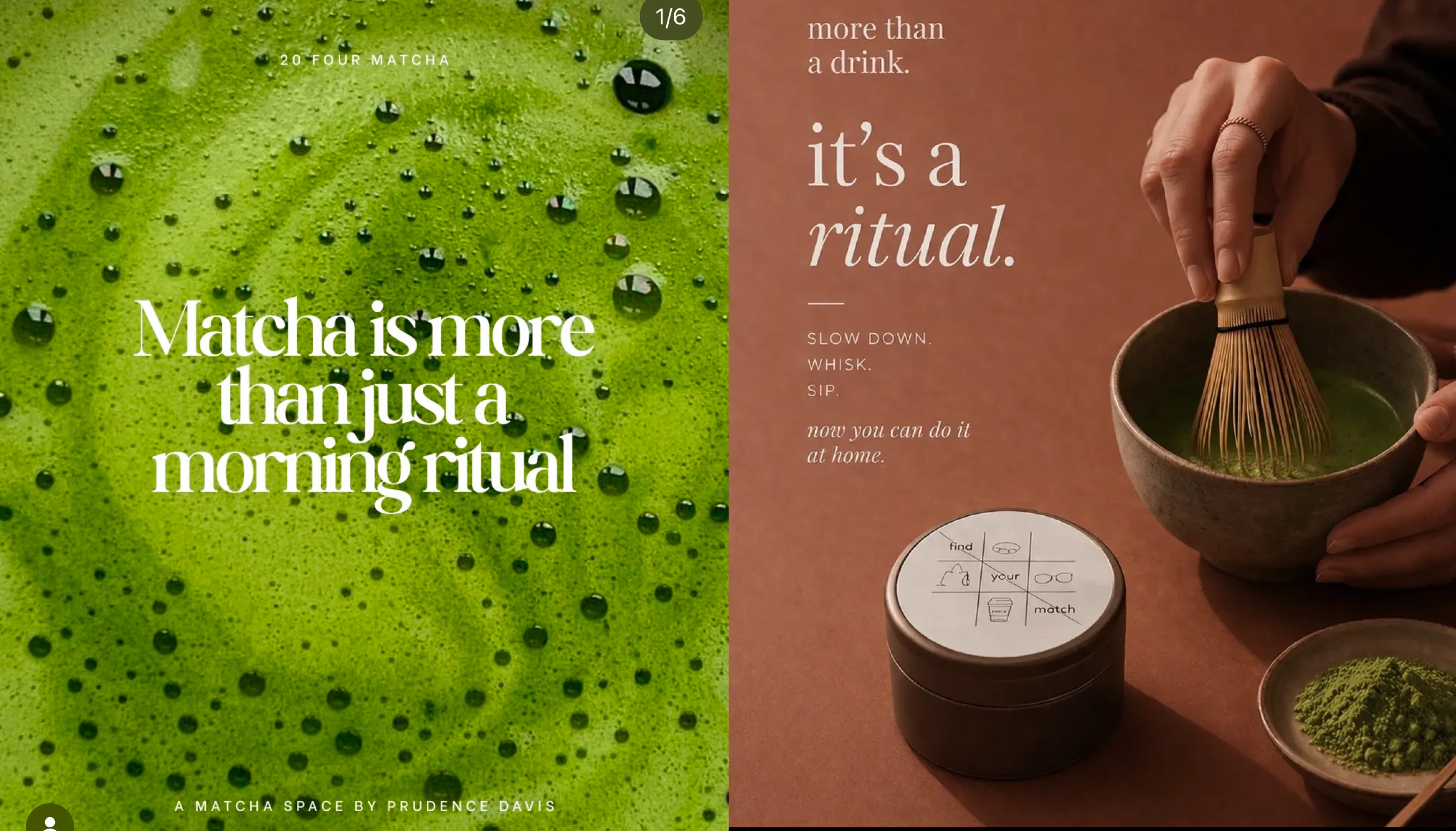
What started out in the West as a niche item located in a dark corner of the Starbucks menu has now become a viral sensation. A bright-green not so “quiet” ritual perfectly paired with one’s morning meditation and journaling session. A marketable, profitable beacon of wellness.
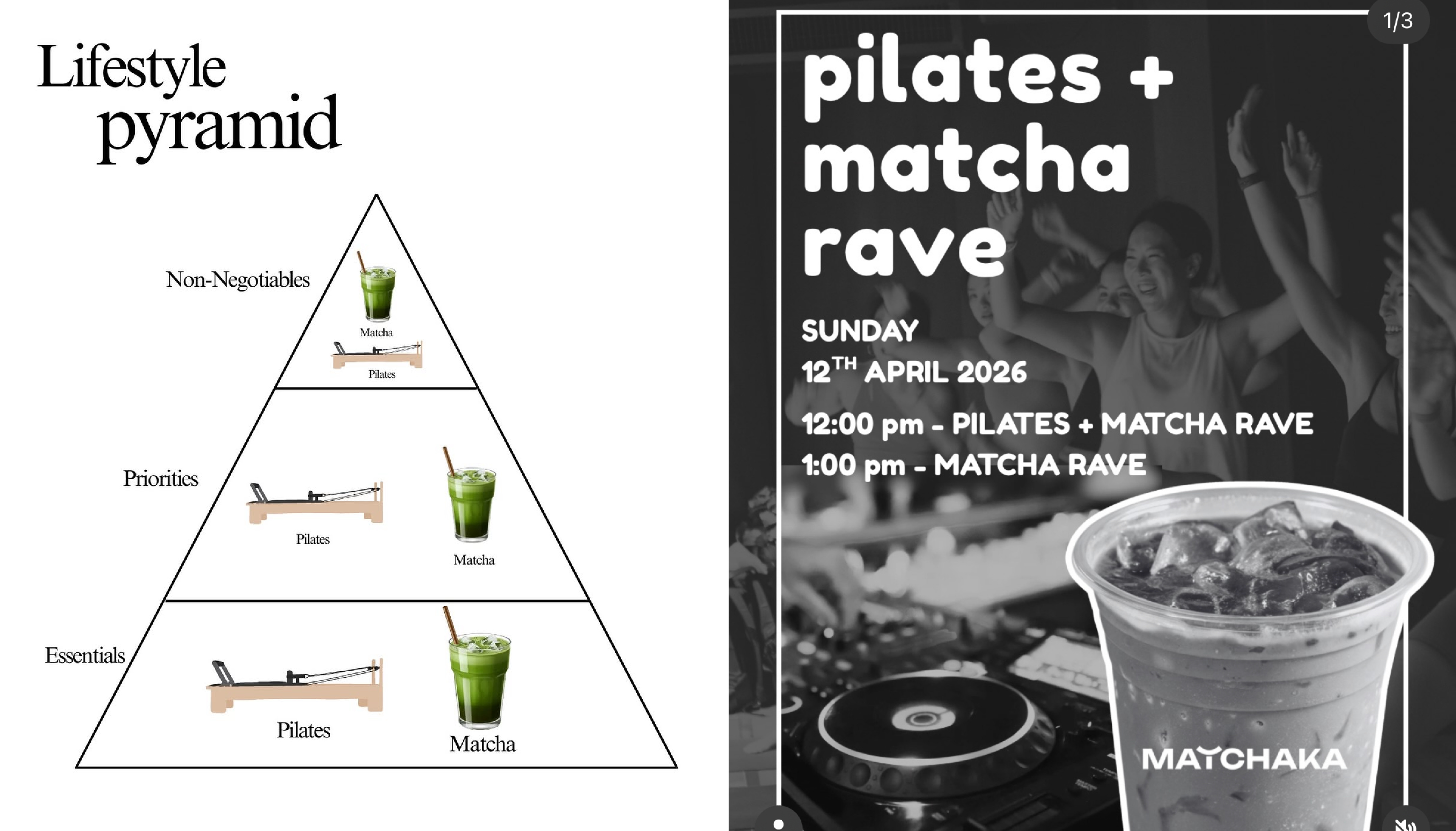
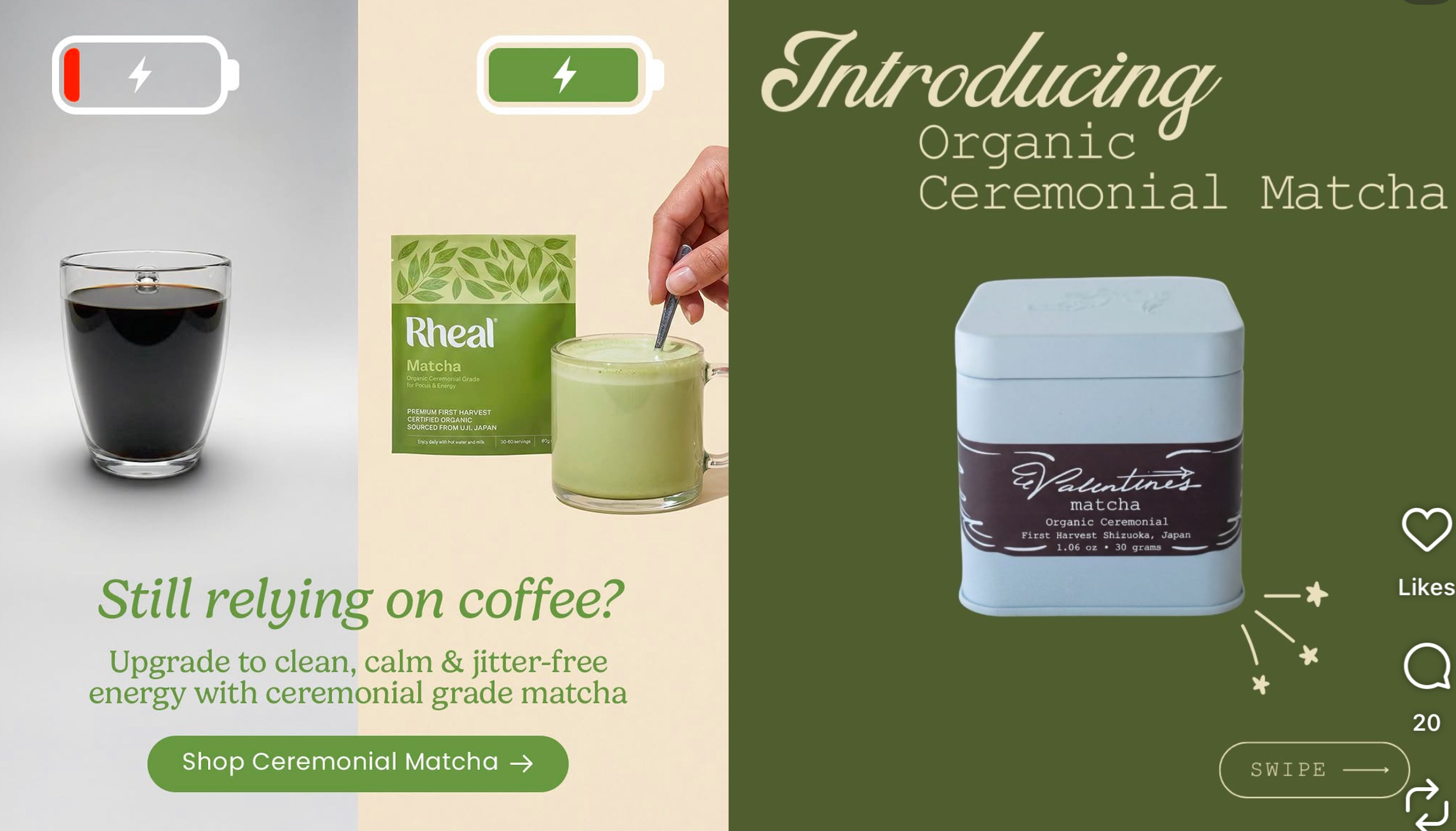
Within the past five years, countless foreign-owned matcha brands have entered the market and continue to do so - each promising an exotic sip of enlightenment in a Japanoiserie-laden tin. A carefully crafted origin story beginning deep within the ancient fields of Japan’s Uji region. A promise of only the freshest, finest tencha of the first harvest; milled with care by a real Japanese farmer that the founder made the effort of travelling across the world to meet in person (on camera).
But what happens when this exact brand story is copy-pasted across hundreds of emerging businesses? When matcha production only makes up 6% of Japan’s tea trade? When the cultivation of premium matcha powder is a process so labourious and time-sensitive that it takes years to grow but can only be harvested within a narrow window of a few weeks in a year?
We, the West have now taken so much matcha from Japan that the nation has been left in what has been named by the media as nothing short of a crisis.
In short, our overconsumption has created a global matcha shortage.
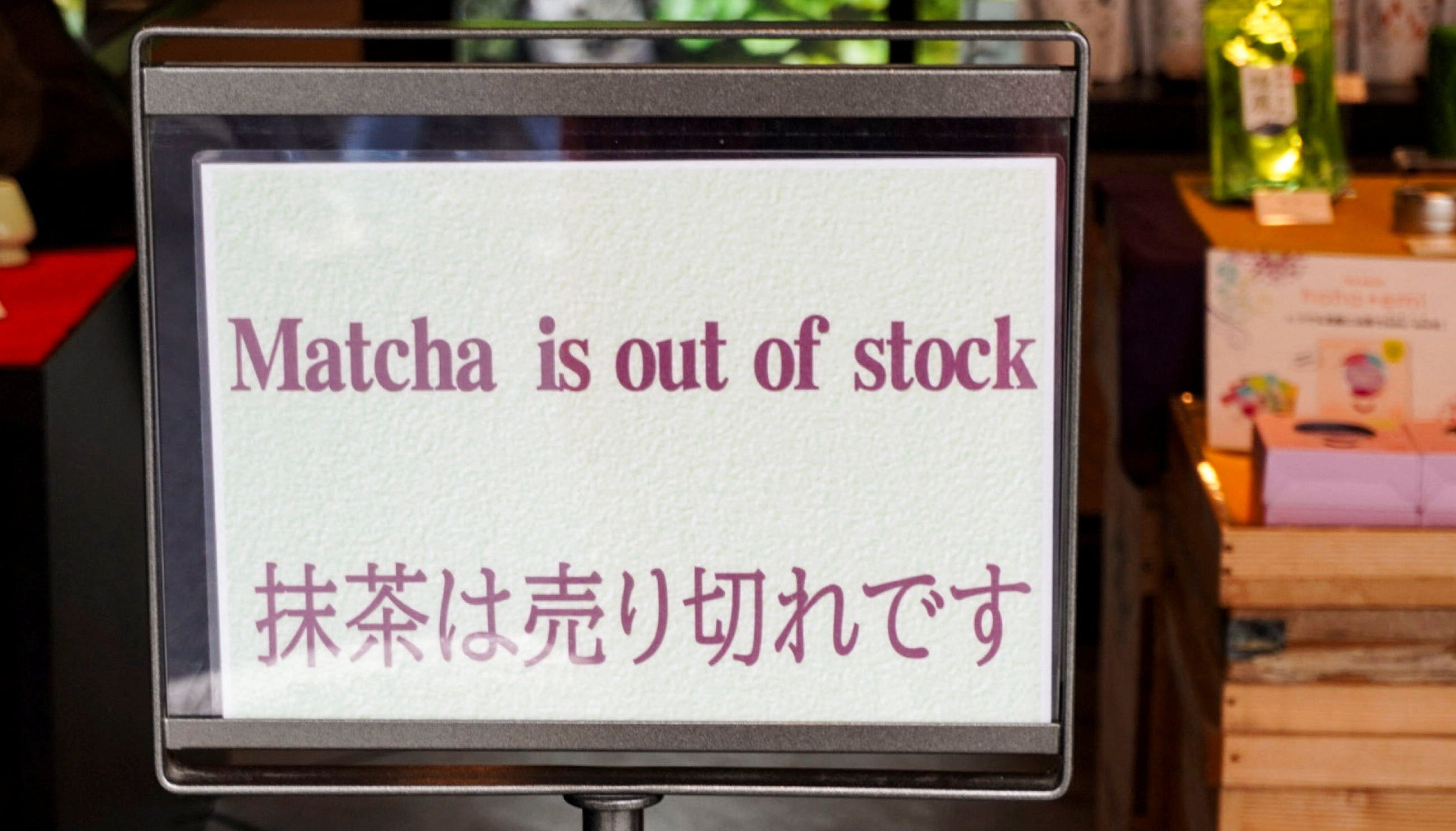
All 11 matcha-based products on the renowned brand Marukyu Koyamen’s website remain sold out. A notice that has been in place since 2024 still reads:
“Dear customers, We have been receiving an unexpected high volume of orders during the past few months. Taking production scale and capacity into consideration, we regrettably to announce that availability for all Matcha products, regardless size and packaging type, will be limited from now on. Therefore, some Matcha products maybe temporarily marked as sold out. We deeply understand the inconvenience this may cause, and will restock those sold out products as soon as possible.”
Masahiro Okutomi, who belongs to the 15th generation of tea farmers in his family, told AFP in 2025 that he had to stop accepting matcha orders. He said:
“I’m glad the world is taking interest in our matcha…but in the short term, it’s almost a threat - we just can’t keep up.”
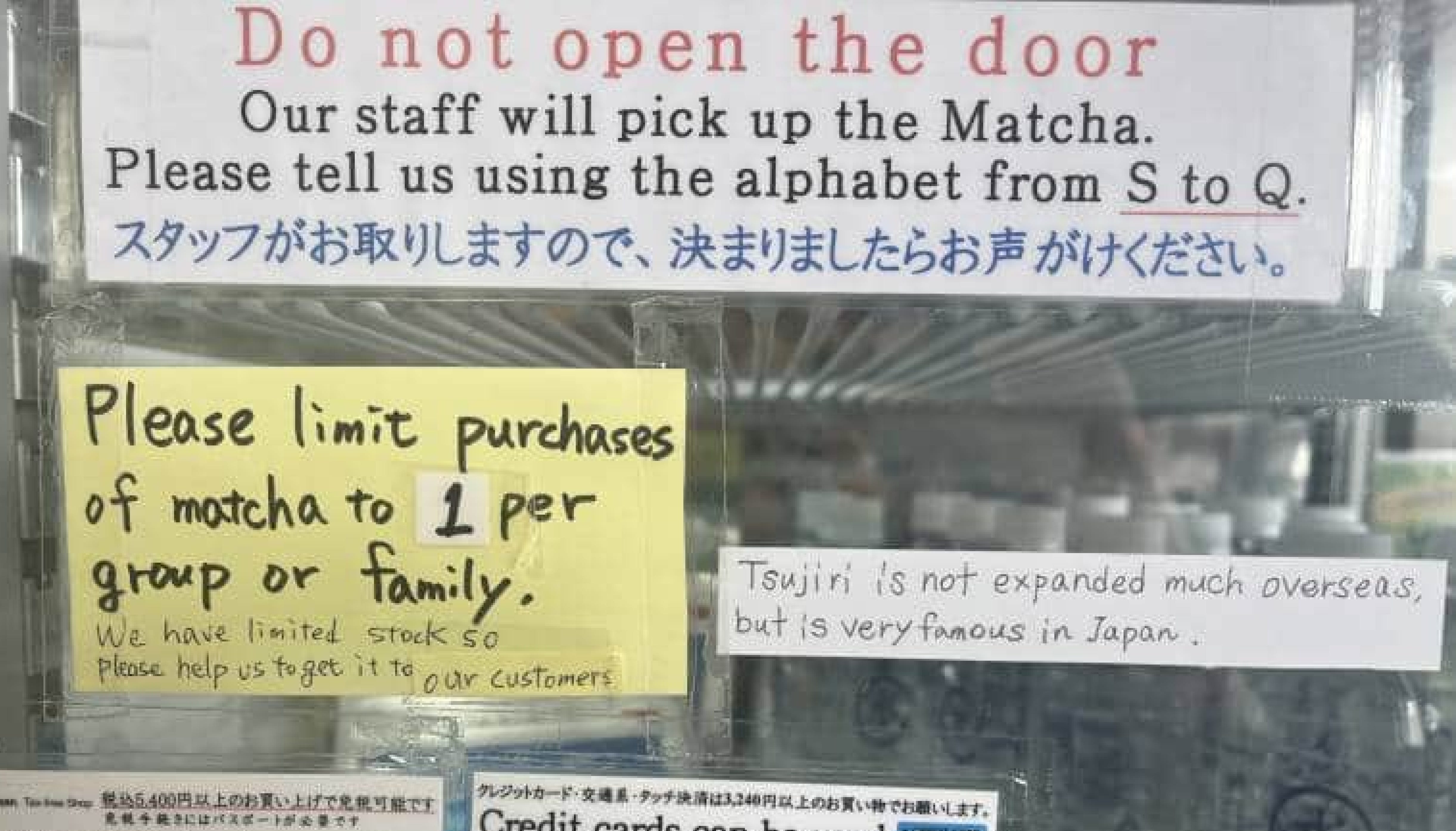
During past pre-pandemic visits to Japan, it became a routine habit for me to pick up a small tin of premium matcha powder to take home to my mum - an avid tea enthusiast and practitioner of sadō, or the way of the Japanese tea ceremony. So on the last day of my first post-pandemic trip last year, I’d planned on doing the same, but instead, found myself running around Tokyo frazzled and empty-handed.
Each place I visited was either completely sold out of matcha or blocked by a queue of tourists, too long to make it to the front before closing time. By the late afternoon, I eventually made it to the basement floor of a Ginza department store where I was handed a laminated menu translated into English, with the bright red words “SOLD OUT” slapped over all but one of the five matcha products available to purchase. I was then pointed toward a different English sign telling me I could only purchase two items at a time.
I’d only intended on buying one thing, but what on earth had happened within the few years I’d not been here for this shopping experience to have changed so drastically? Had people been hoarding matcha as they once did with toilet paper for these kinds of COVID-esque policies to have to reappear?
Our unquenchable thirst for matcha hasn’t just depleted Japanese brands, but has subsequently restricted Japanese consumers’ access to the beverage that sits at the heart of the tea ceremony, recognised by UNSECO as an intangible cultural heritage. Japanese consumers are not exempt from the purchasing limits imposed to manage shortages, and they bear the financial strain of rising prices. Meanwhile, foreign tourists in possession of stronger curencies remain relavitely insulated from these increases, driven in part by their overconsumption.
Nevertheless, we continue to take. Foreign tourists boast of bypassing purchasing limits by visiting tea shops multiple times to stockpile matcha. Some of them, particularly aspiring content creators, have turned hoarding matcha into an on-screen niche, where large hauls attract views and views can be monetised.
Existing foreign-owned matcha brands then continue to release new product lines under different, exciting Japanified names, often priced twice if not three times as high as their domestic counterparts which remain out of stock and tightly-controlled by purchasing limits.
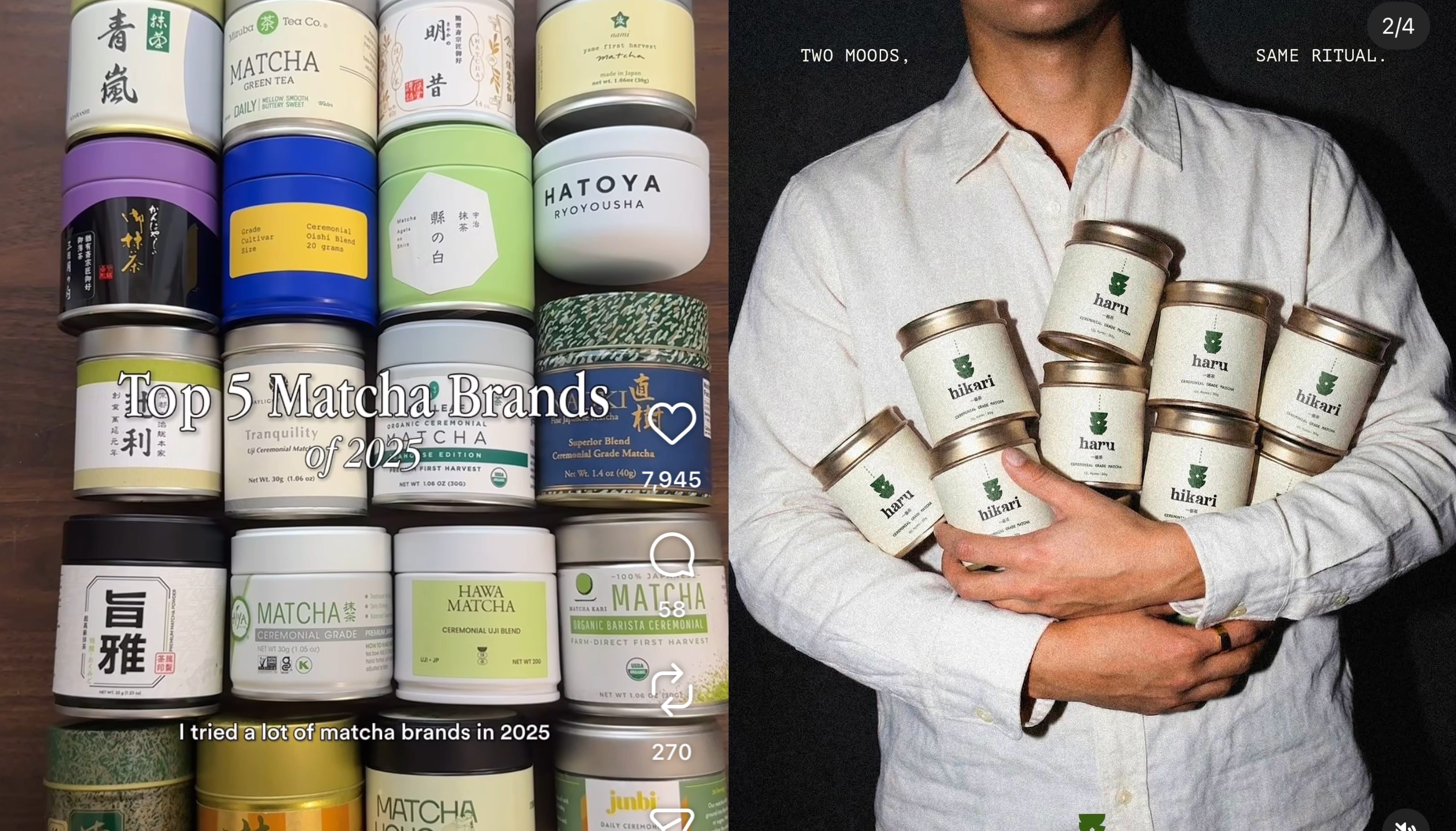
This uncontrollable impulse to take with disregard for the livelihoods of those we take from, brings me back to the story of tea, and our renowned Chinamaxxer Robert Fortune (who I haven’t forgotten about dw).
While the circumstances are not identical to those surrounding matcha today, the underlying patterns are difficult to ignore. History may not repeat itself exactly, but the same dynamics continue to play out in different, if not evolved ways.
Despite soaring demand, Europe in the 19th century was faced with a similar dilemma to that of today - a great tea shortage. But this was because tea was extremely expensive. It could only be traded through a single Chinese port and only in exchange for large quantities of silver, as the Chinese saw no value in keeping European goods. However, European and especially British trading companies didn’t stop here, envisioning a highly lucrative trade if they were to find alternative methods of acquiring tea leaves.
The alternative quest for tea began with drugs - more specifically the smuggling of opium grown on colonial Indian land into China in exchange for silver, which was then used to purchase more tea. At the time, China was already grappling with rising rates of opium addiction and sought to suppress the trade. But as profits finally flowed in Britain’s favour, Britain instead declared war, resulting in two Opium Wars which would force China to open five new trading ports and cede Hong Kong.
Britain now had more tea and a new territory, but this still wasn’t enough. The empire wanted enough tea to meet the needs of mass consumption, and this was to be entirely under their control. Yet production still remained firmly in Chinese hands. The knowledge of cultivating and processing tea plants had not yet spread to the West and the tea factories themselves lay strategically beyond the limited trading ports to which foreigners were still confined to.
But what if there was a way to infiltrate the system? If there was a way to cut out the pesky, gatekeeping Chinese middle man and acquire his exotic secrets to cultivating this prized crop?
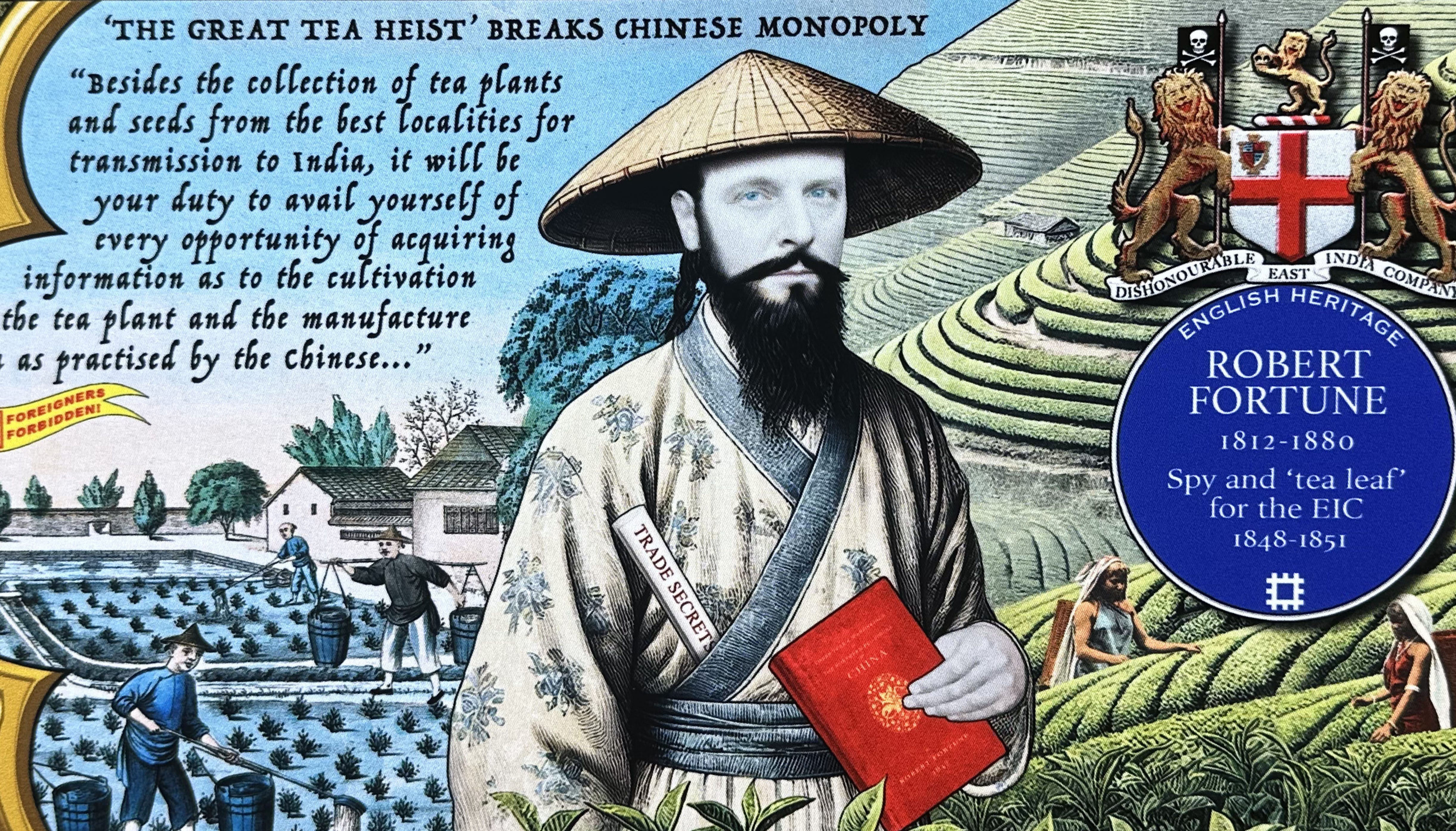
Robert Fortune in his Chinese disguise became the very person who would reveal these secrets in what would later become hailed as The Great British Tea Heist. Sent by the British East India Company into the forbidden Wu Yi Shan hills of Fujian, he was to go undercover as a Chinese man and infiltrate a tea factory. Here, he would steal tea seeds and saplings, while getting a glimpse into the tricks of the trade that would eventually allow the British Empire to cultivate its very own Great British Tea across the border in colonial India.
Newer analysis of this so-called Great British Tea Heist suggests that Fortune did not so bravely steal the all important tea seeds but instead purchased them from a nursery, which makes it worth mentioning that the original retelling of this story is obviously Eurocentric and mostly drawn from Fortune’s own diary entries. As with the case of most colonial explorers, he couldn’t have achieved the accomplishments that he would later become celebrated for without the help of a local guide.
An inch of agency should also be granted to the Chinese workers in the tea factory, who I’d like to think had not been entirely stupid to fall for the bluff of a giant Scotsman in yellowface. But whether or not he stole or purchased said tea seeds in his debatably inconspicous disguise, it remains true that Fortune indeed succeeded with his mission.
The British had finally taken everything needed to recreate their beloved British Brew without Chinese interference. The stolen Chinese tea would be cultivated on stolen Indian land by exploited Indian labourers - the hard work outsourced to colonial subjects as a means of making the Empire more profitable.
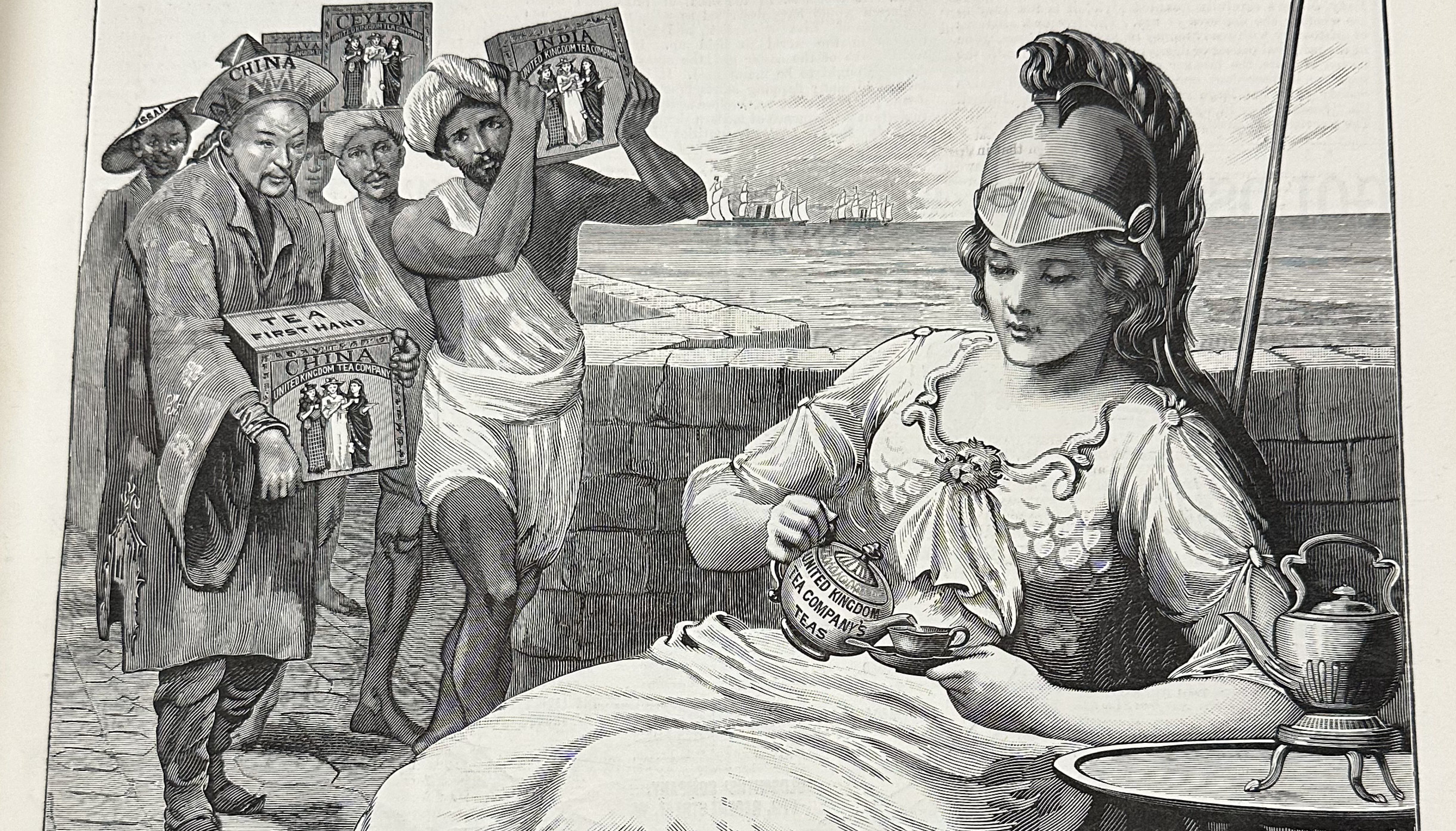
Less than half a century prior, the Chinese who had once sat at the height of fashion among European society had since been reduced to subaltern status. New advertisements for British tea featured the lowly Chinaman alongside his Indian colonial counterpart, each of them carrying a box of tea from their respective region in servitude to Britannia herself, sitting in the foreground, pouring herself a cup of the finest of the United Kingdom Company’s Teas.
Only in these conditions, would tea become available for mass-consumption as the Great British Brew we cherish today.
In comparison with the current state of the global matcha shortage, this historical parallel may be extreme in scale and consequence, but the underlying impulse remains strikingly similar. Both instances reveal a willingness to take from another culture in pursuit of desire, status and profit, with little regard for those most affected. What was once enforced through imperial structures now manifests through currency imbalances and digital economies that reward excess.
While the exact mechanisms have changed, a similar mindset still exists, dare I say a modern manifestation of inherently colonial tendencies that have been subconsciously ingrained within those of us raised among imperial societial structures?
It shouldn’t all be doom and gloom though. After all, what could be inherently wrong with the global appreciation of a beverage once labelled by Western consumers as “grassy pond water”? There’s also nothing wrong with matcha being enjoyed in non-traditional ways. I love a good matcha soft serve. I liked my matcha espresso in Thailand, and adored my coconut water matcha in China. A Japanese person can also enjoy a Starbucks matcha frappucino as much as the next basic white girl.
In short, the evolution of matcha-inspired products can still serve as a great example of multiculturalism shared through fusion food, as long as we remember to give credit where it’s due.
As consumers, we can do our bit to alleviate the global matcha shortage by being more mindful of our purchasing power and resisting the urge to overconsume. We can also be more intentional about who we buy from. How committed is this brand to providing a product that has been crafted with geniune care? How closely does this brand work with its supplier and how transparent are they being with this process? What is this brand doing to alleviate the pressure faced by those at the bottom of the global supply chain? We should as importantly consider who these products are ultimately accessible to, and whether they remain fairly priced for those closest to the source of production.
We also don’t always need to be purchasing the best of the best, given the way we usually consume matcha.
Much of the matcha found in everyday Japanese goods beyond the tea ceremony and high-end cafes is culinary grade, meaning it comes from older leaves that can be harvested more abundantly. Yet Western markets have standardised first-harvest, premium, ceremonial-grade matcha as the new default for everyday consumption, often dismissing anything else as inferior within their marketing campaigns.
In an interview with CBS, US-based tea importer Taylor Cowan expressed his reservations about matcha’s popular consumption, saying that the qualities of premium matcha powder are automatically lost when served “under 12 ounces of milk”, sugars and flavoured syrups - the matcha latte being the most popular product overseas.
In 2026, Business Insider conducted a blind taste test on three of its employees - one of them a matcha lover, another - a self-professed matcha hater, and the third - someone who felt no particular way about the beverage. The three samples consisted of Chinese ceremonial grade matcha ($14.27/oz), Japanese ceremonial grade matcha ($25.50/oz) and lastly, Japanese culinary grade matcha ($5.70/oz). All participants confidently voted for the Chinese matcha as the best-tasting of the three samples.
Ironically, matcha, AKA mǒchá, or powdered, whisked green tea from the Camelia Sinensis plant is native to China. This doesn’t diminish its deep cultural ties to Japan, where it was refined and ritualised after falling out of fashion in China nearly a millennium ago in favour of loose-leaf green tea. Yet today, China remains the world’s largest producer of matcha, accounting for approximately 60% of global supply. Even Japan imports Chinese matcha.
So if we cannot meaningfully distinguish the nuances in taste, quality and origin in the way we consume matcha, the standardisation of first-harvest, premium Japanese matcha powder begins to feel more like a culturally-veiled marketing strategy at the cost of draining Japan of its most limited resources. It becomes a competition among overseas brands to position themselves as closest to Japaneseness in the name of authenticity, or perhaps a brand story that fits the right kind of oriental mold that the founder otherwise has no connection to, which in this process, makes matcha become less about the tea itself and more about what it represents as an aesthetic.
Funnily enough, a final parallel can be drawn in our shared pursuit of aestheticised qualitea.
In 19th century Britain, tea drinkers were willing to pay hefty premiums for what they believed to to be the youngest, freshest tea leaves of China’s first harvest. Something similar can be said of consumers today willing to pay anything north of $40 for 30g of ‘ceremonial grade’ matcha.
In both cases, a flaw lies in how quality is or was determined.
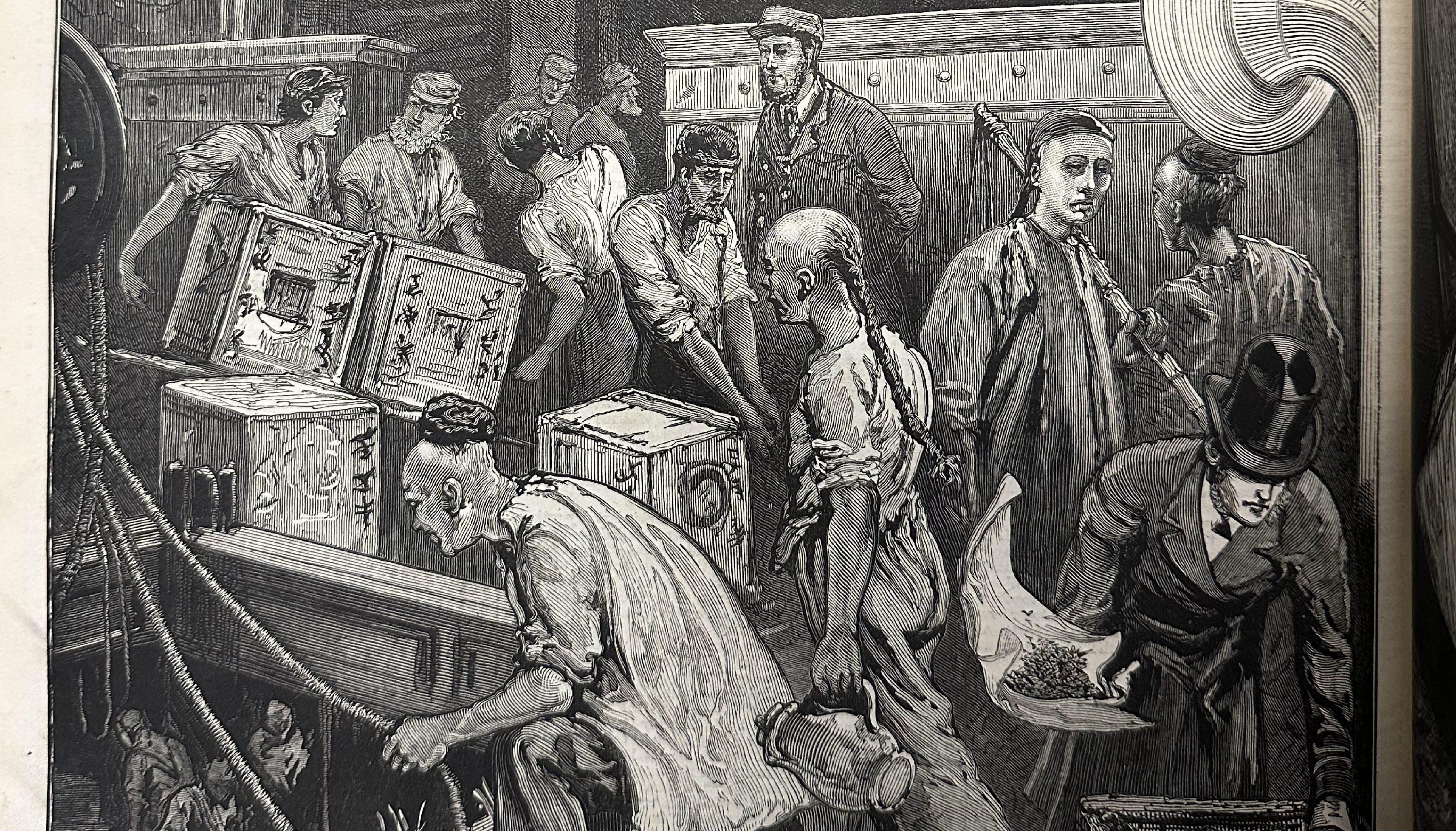
In the 19th century, freshness and therefore value was measured by speed, more specifically the speed of the boats that tea was transported in.The tea leaves carried by the fastest boat or clipper to arrive in Britain from China were assumed to be the finest, giving way to The Great Tea Races, where the ships of competing trading companies raced each other across the 5000 mile journey from China in a bid to dock first and command the highest prices. Speed became a proxy for quality, despite offering no real insight into the condition of the tea itself.
In reality, consumers had little way of verifying what they were buying. Tea could have been stored for unknown lengths of time before shipment. In fact, it was quite common for export tea to be bulked up with the likes of twigs and sawdust, with some reports even mentioning the addition of prussian blue dye containing cyanide being added to the cargo to enhance its colour for Western buyers who equated greenness with quality.
A similar ambiguity surrounds ‘ceremonial grade’ matcha today. Though widely used as a marker of excellence, the term itself is unregulated and not formally recognised within Japan. Brands are free to feature this term on their packaging without undergoing any standardised testing or quality control, allowing it to function more as a marketing device than a guarantee of authenticity.
This isn’t to say that genuine first-harvest matcha isn’t deserving of its higher price, but rather that its standardisation fuelled by overseas brands for everyday consumption when it isn’t really needed for us as consumers of sweetened matcha lattes, has created the conditions for misrepresentation. As demand surges, so does the risk of lower-quality or mislabelled products entering the market at premium prices.
Much like the 19th century Brits who unknowingly overpaid for poisonous twig tea without being to distinguish a major difference, today’s matcha drinkers may also find themselves buying into the idea of quality over reality.
It’s easy to frame moments like these as harmless or perhaps a natural outcome of cultural exchange in a globalised world. There’s nothing inherently wrong with enjoying matcha as a foreigner, experimenting with it, or even building a business around it. Cultural exchange has always shaped the way we eat, drink and live. But there is still a difference between exchange and extraction. When appreciation becomes overconsumption and overconsumption becomes ownership. When accessibility for outsiders comes at the expense of those within the culture itself. When we prioritise owning, displaying and profiting from something without fully considering the systems that sustain it.
We’ve seen this before but on a far larger and more destructive scale bolstered by empire and colonial power. So now it’s up to us. It’s our responsibility to recognise these patterns and reflect on them, so that we don’t continue to reproduce them in new forms and let history repeat itself.
So does the world really need another matcha brand in the midst of a global shortage? Or should we instead be thinking about why we, the West, remain unable to shake our (colonial) obsession with taking tea?
I love the historical reference of today's matcha hype parallel to 19th century British tea demand. And the accuracy of how matcha fell out of fashion in ancient China (heard about this from a tea shop owner in China). This made me think critically of my own consumption habits as well. Thank you!
This was an incredible read, and highlighted so many of my frustrations! I am half Japanese living in Australia and the sudden matcha boom is just quite strange as someone who's gone from secretly loving the mysterious green chocolate, soft serve, drink to it being totally normal to like those things now. Also having just read Babel all of the stuff you wrote about the opium wars in your piece gave a lot of context that I didn't have before. So thank you! I wrote a piece that talked a little bit about the trendification of Matcha on my page if you're interested - it's mostly about the rise of bag charms, but discusses the issue of Asian things being stolen and repackaged in general. Again, LOVED this and felt so seen in my frustrations over matcha and also learned some new things!