

If you hadn’t heard, we’re currently at a very Chinese time in our lives. Content creators across the Western hemisphere have proudly announced their recent “diagnosis as Chinese” to their followers after waking up and deciding to ditch their iced water in favour of the hot stuff (on camera).
Japan Glazing has become too mainstream for the newly evolved performative male. He’s ditched his matcha in favour of Tsingtao beer. He no longer has to hide the fact that he can’t actually roll a GV cigarette with a tight filter, as he instead splutters on the dense petroleum fumes of China’s finest Chunghwa straights. He wanders the streets, hands behind his back like the Chinese uncles he’s studied so carefully, a perfectly positioned glimpse of Mao’s Little Red Book peeking out from the pocket of his Adidas Tang jacket.
My first doomscroll of the year of the fire horse presented me with an array of white lifestyle and travel influencers freaking out (on camera) about having accidentally washed their hair and wealth away, and having thrown out their trash alongside their future prosperity. A few swipes later, they were telling me my Chinese New Year “do’s and don’ts”, which included not gambling and not wearing red over the next five days.
I watched these videos from the streets of Taipei as I was lined up behind several aunties and uncles wearing 50 shades of red, and about to burn £20 in horse-themed scratch cards. How could we have been so misinformed?
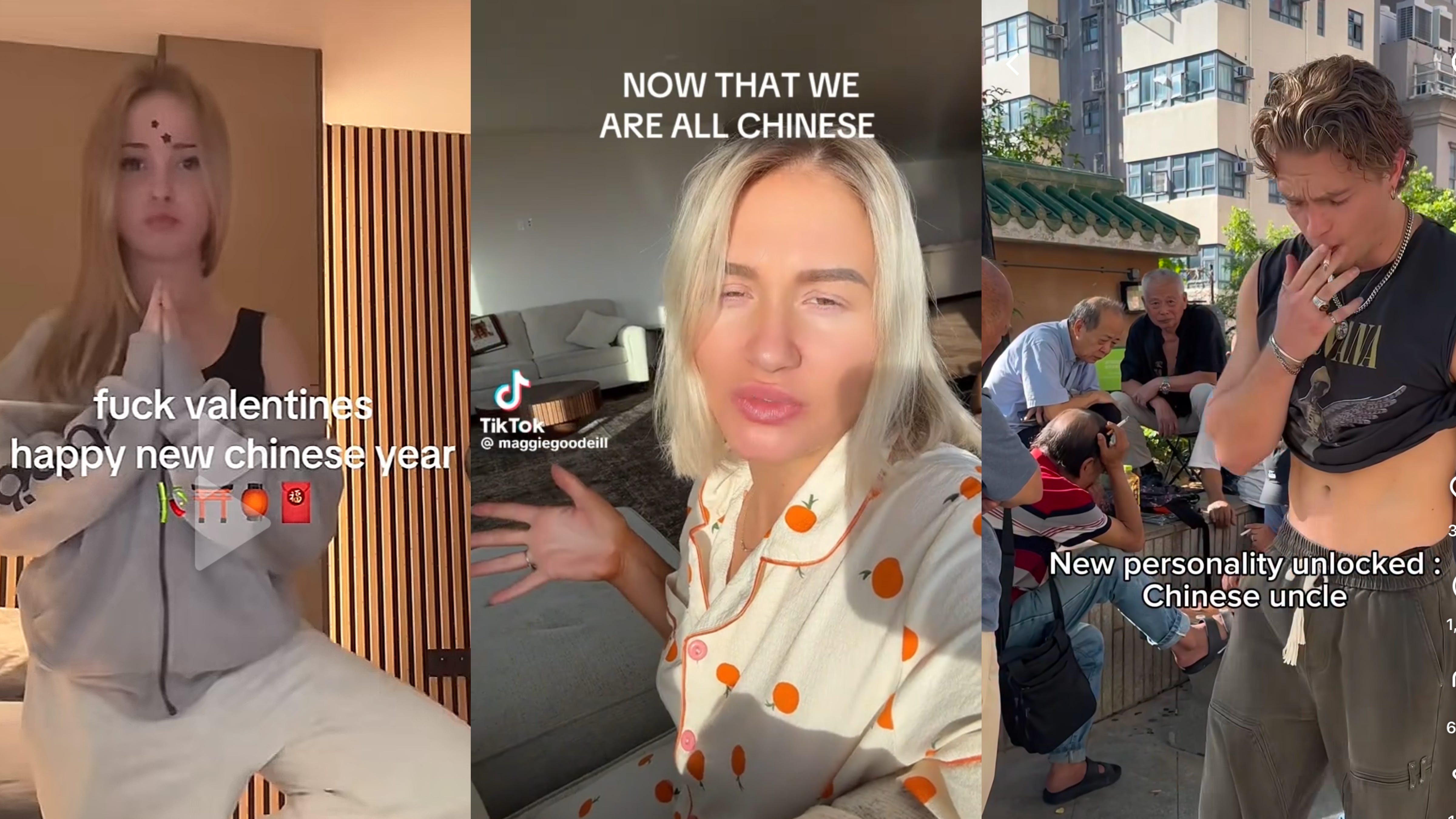
Chinese people were never the ‘cool Asians’ until now. I spent most of my formative years wishing I was either white or at least Japanese or Korean. They had anime and Kpop. We had chicken feet, communism and COVID-19.
It goes without saying that I’m happy to see Chinese discourse finally being shared positively within the mainstream. But the way in which certain aspects of our culture have been picked, chosen and packaged into digestible, profitable and temporary social media trends for the Western world to cosplay, makes me recall a time when the Western hemisphere first experienced a very Chinese time in its life — three centuries ago and sans internet.
As early as the 1500s, Western European merchants and explorers travelled across the globe to discover the mystic allure of the Far East — a civilisation that appeared to operate entirely differently to the ways of the Eurocentric societal narrative.
In 1557, the Portuguese established their presence in Macau, making it their gateway to trading with China and Japan. The Spanish, Dutch and British soon followed suit, all wanting to get their hands on as much Chinese silk, silver, porcelain and tea as possible. Their methods of doing this, not always ethical.
By the 18th century, owning something Chinese or Chinese-inspired had become a status symbol for Europe’s upper classes. You were cultured, forward-thinking, well-connected and most importantly wealthy if you had a Chinese Room in your house.
This would be decorated with Chinese block-printed wallpaper, lined with hand-painted, lacquered porcelain cabinets, and laden with tea sets and highly expensive tea leaves. Its main purpose, to entertain guests.
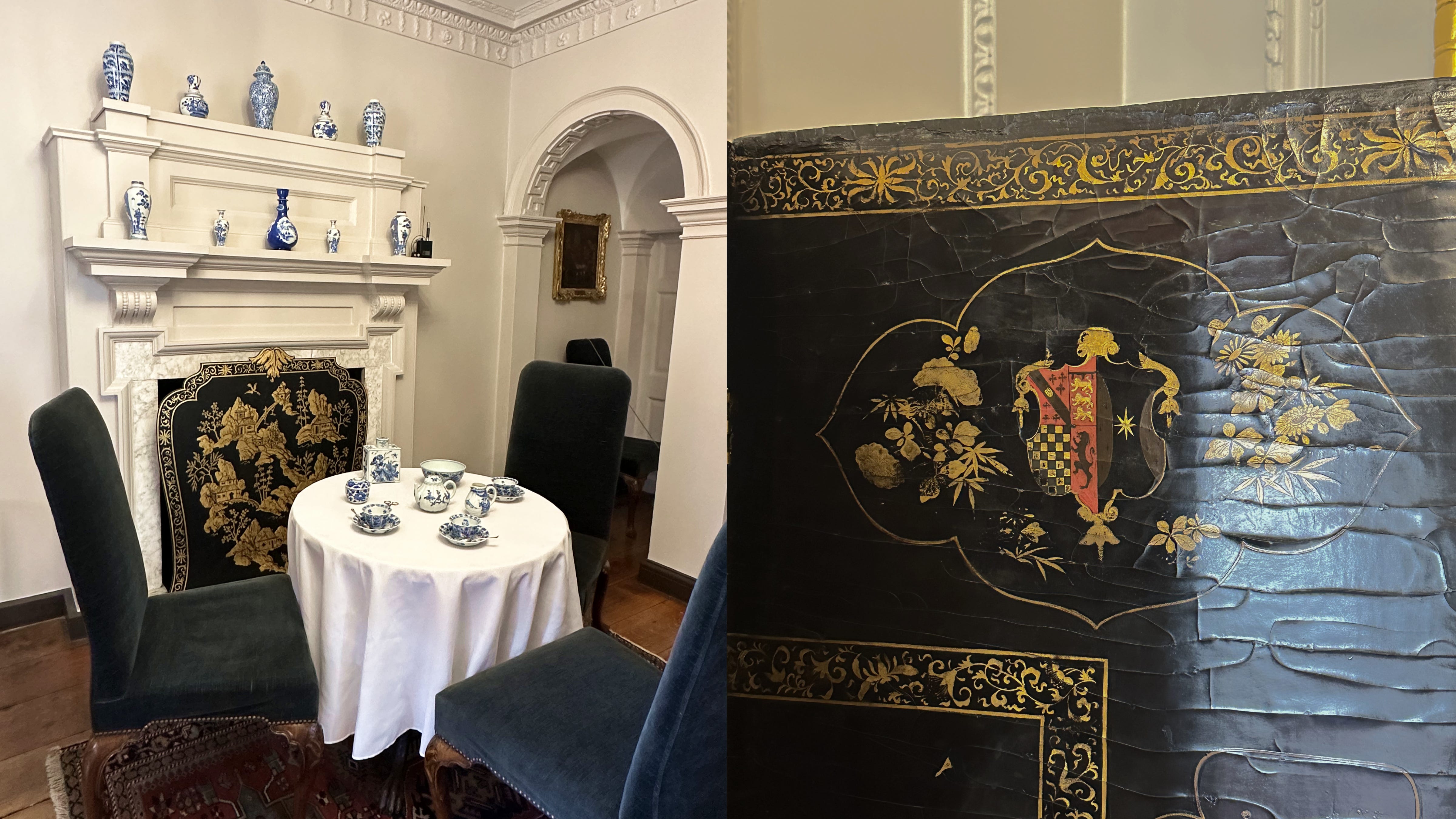
This phenomenon arose in Britain due to King George IIIs fascination with all things Chinese. So much so that he sent British architects, scholars and scientists out with trading companies to study the ways of the Chinese, and bring back as many pieces of China as possible.
London’s Kew Gardens opened shortly after in 1759 housing hundreds of new species of flora clippings from China and the Western New World. In 1761, a giant Chinese pagoda was built on its grounds as a gift to its founder Princess Augusta.
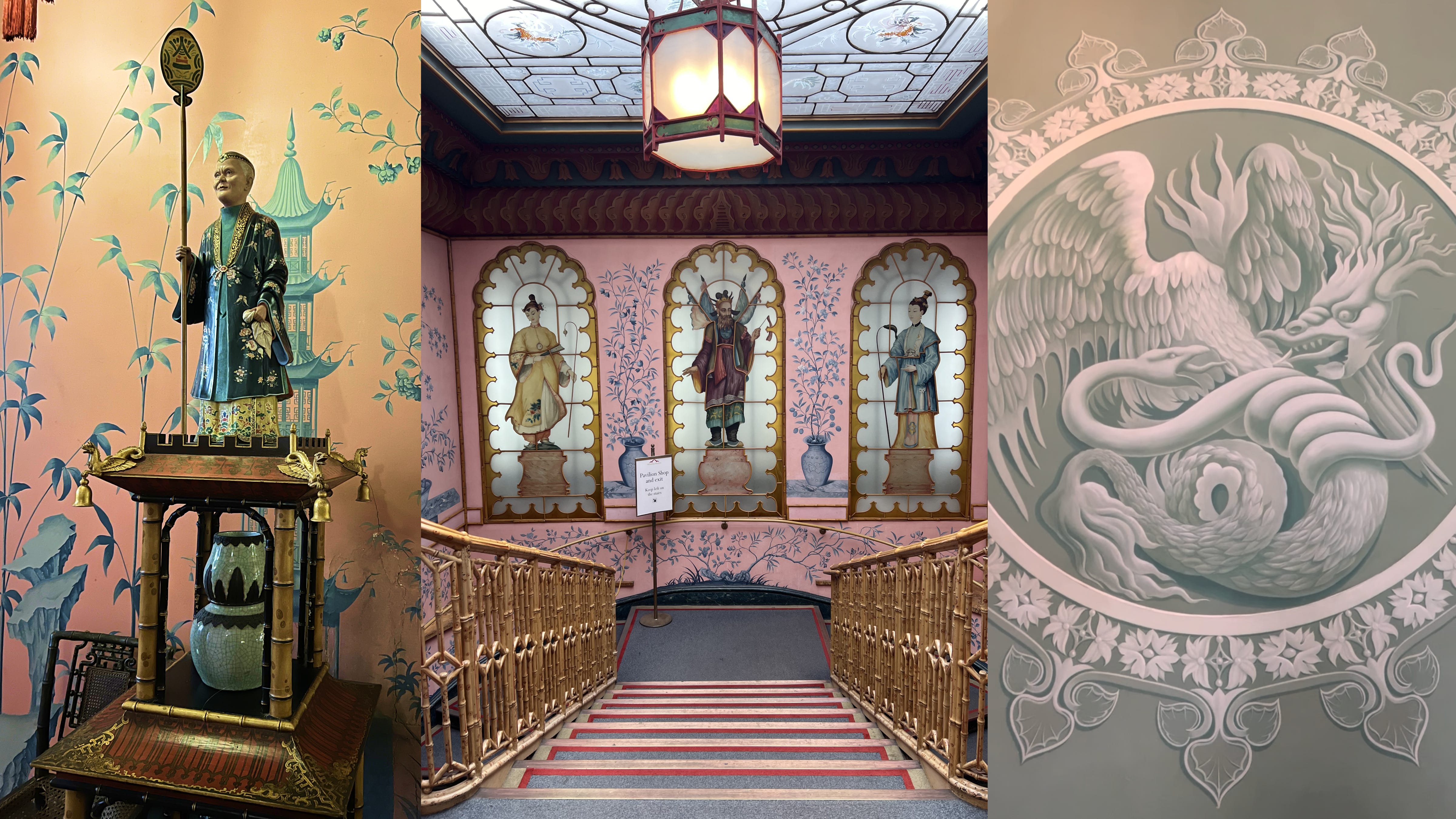
In 1787, the Prince Regent who would later be crowned King George IV, commissioned Brighton Pavilion – his newest oriental holiday retreat. Its Middle Eastern-inspired, onion-domed exteriors housed a bamboo-lined, lantern-lit Chinese pleasure palace like no other of its time.
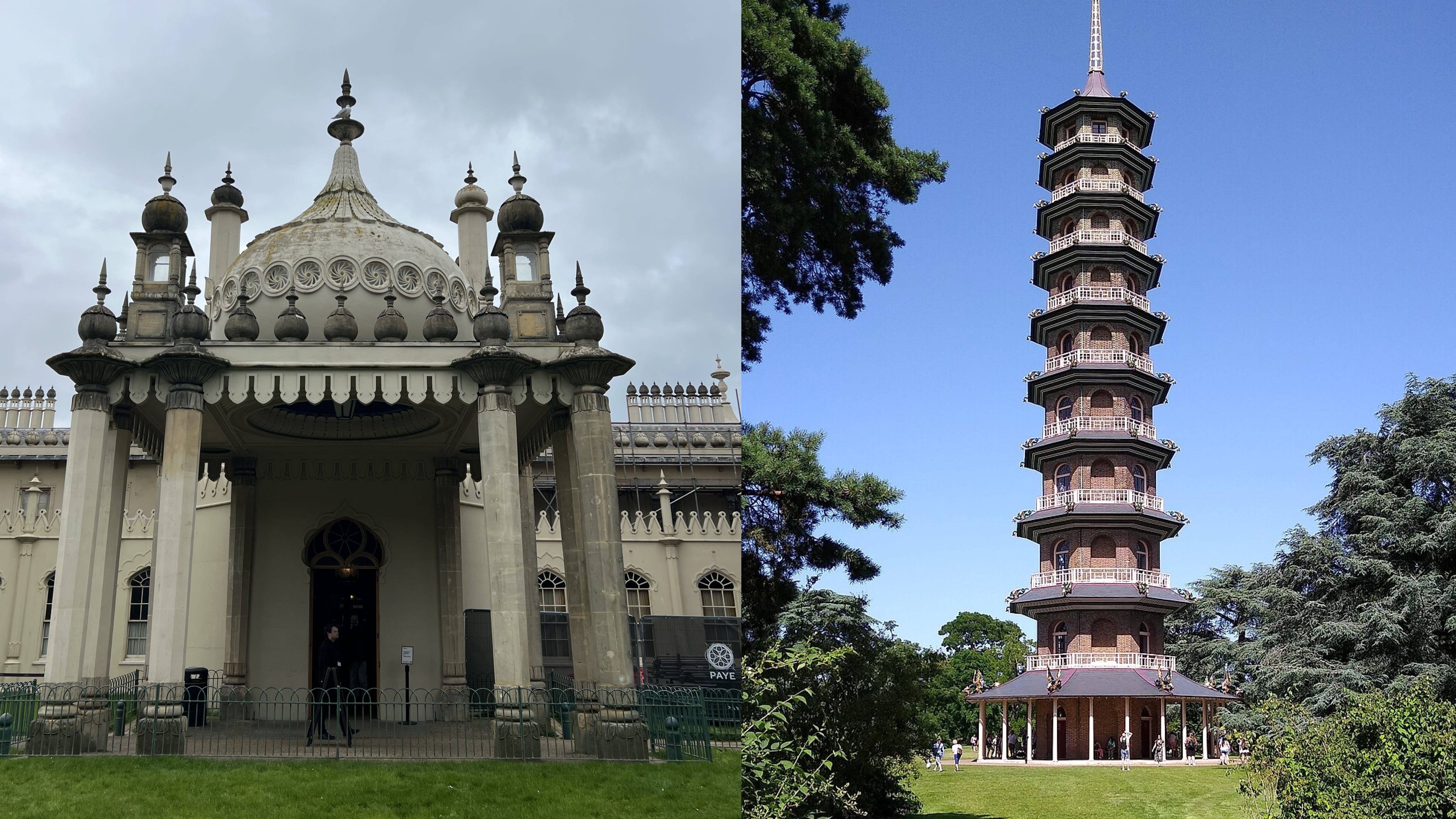
The term chinoiserie was coined to describe this aesthetic — a European interpretation of Chinese and East Asian traditions, often found within architecture, literature, theatre and music, and associated with leisure and pleasure.
But at the core of chinoiserie lay imitation. Its essence constructed by what Europeans thought to be typical of Chinese culture, but not necessarily embodying anything similar to authentic Chineseness.
Most objects found within the European Chinese Room couldn’t be found within a Chinese household. Instead, they fell within a category known as export chinoiserie. They may have been made in Chinese workshops but were exclusively sold for Western consumption.
The designs on these items often featured exotic birds, plants, insects and even small Chinese people — again interpretations of what the Western eye perceived as inherently Chinese. Sometimes, they weren’t even made in China.
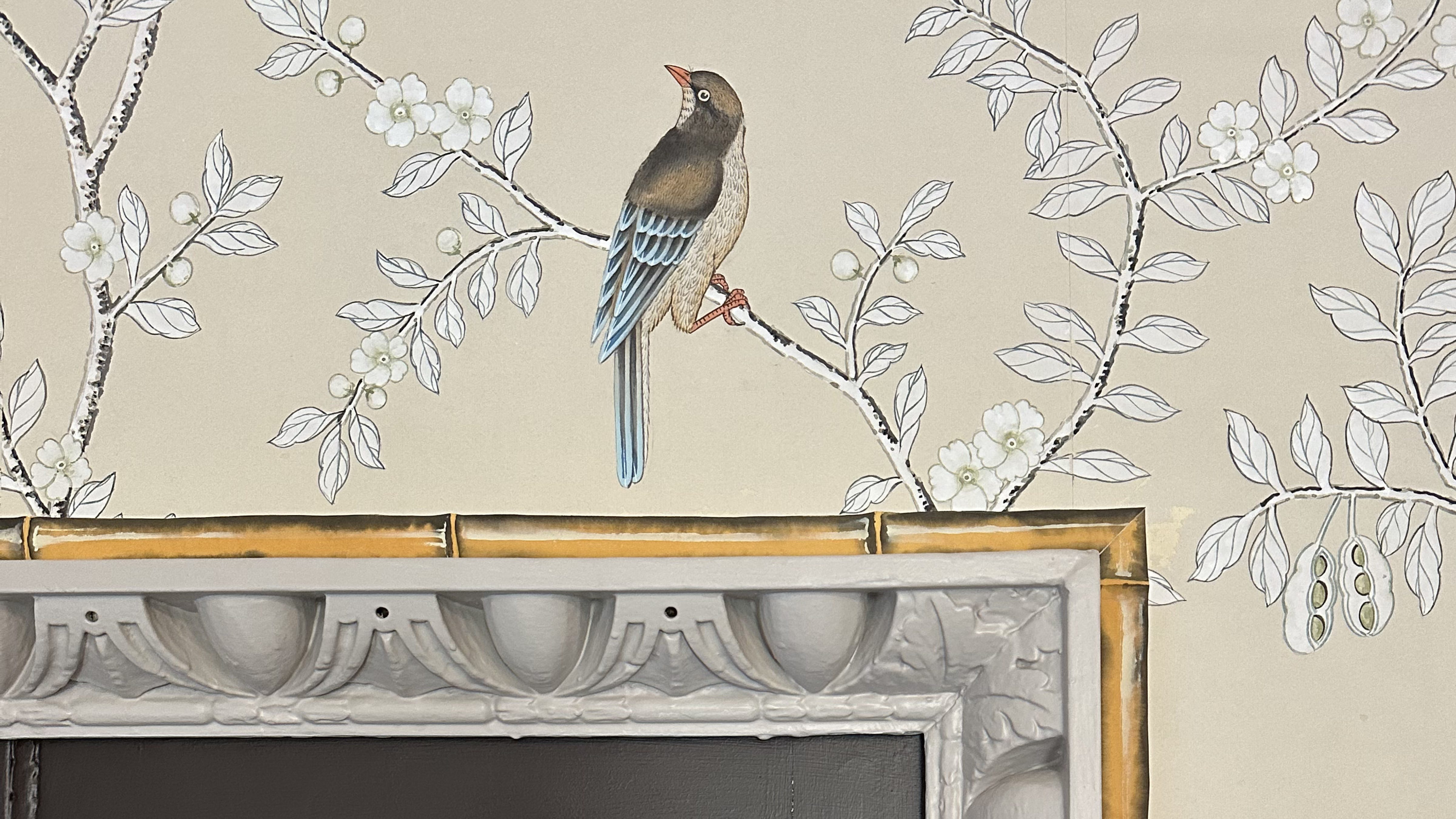
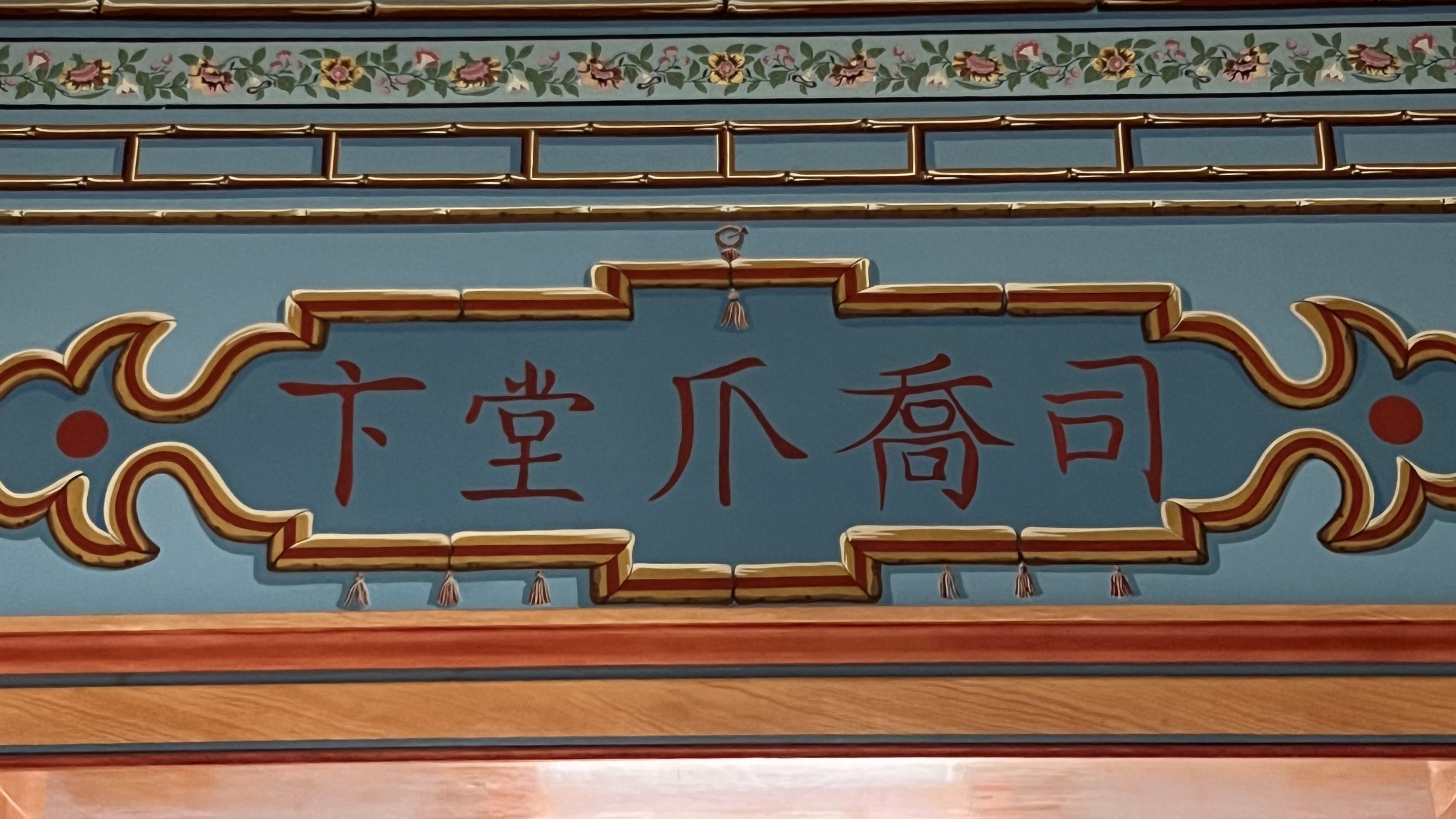
Brighton Pavilion’s architects, John Nash and Fredrick Crace had never been to China let alone East of Venice, which might explain why the palace’s decorative bamboo ceilings, palm tree columns, hybrid dragons and gibberish Chinese characters might arouse an uncanny valley-type feeling to the eye of a Chinese visitor.
William Chambers, the architect behind Kew Gardens’ Great Pagoda did visit China but accidentally had his rendition built with an inauspicious number of floors.
The Chinese Room was but a fabricated, oriental dream. It came neatly packaged for the European consumer to feel unique, educated and enlightened, without having to venture too far away from European familiarity and into the foreign world of otherness.
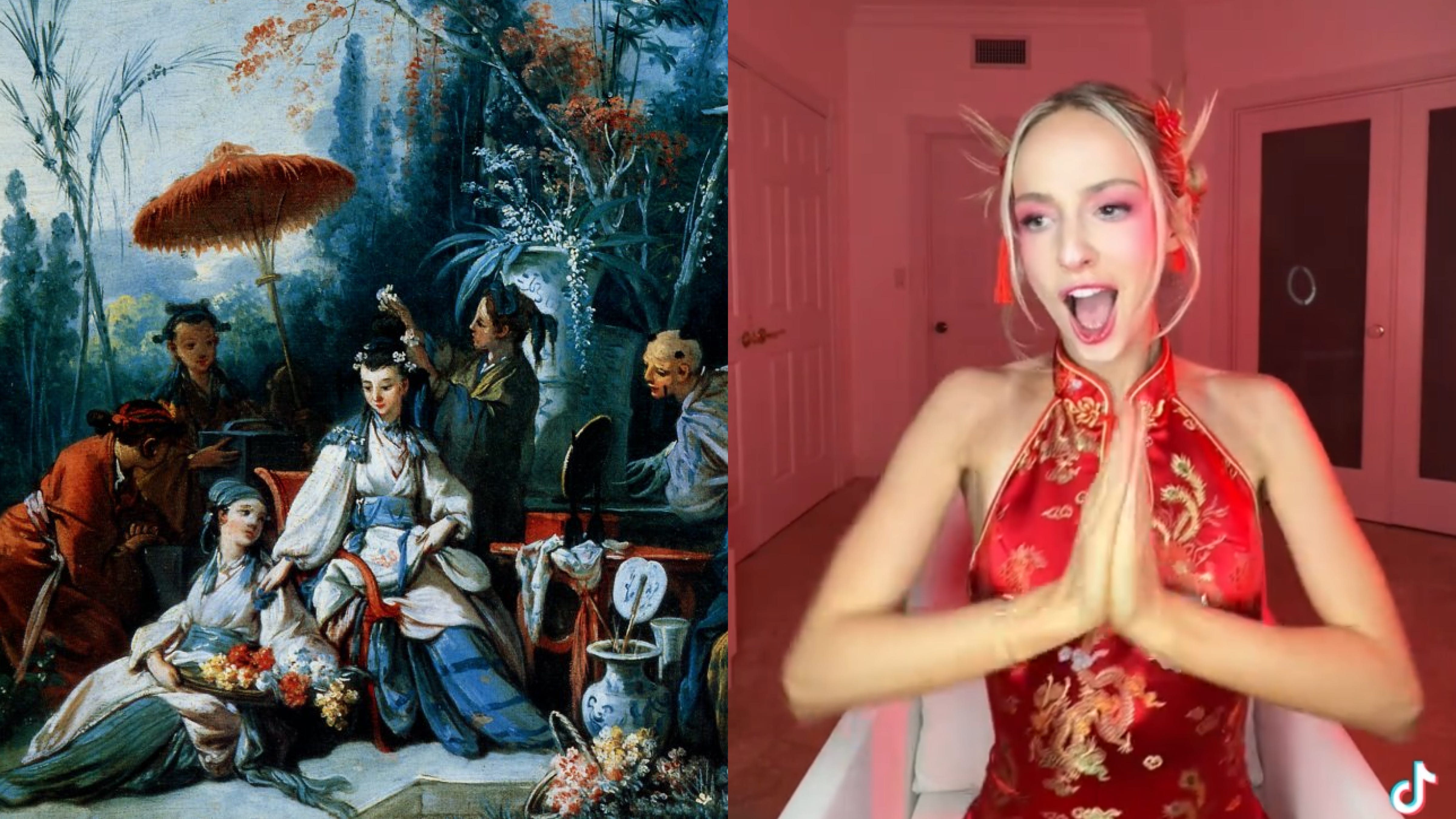
The social media trend of “becoming Chinese” feels like history repeating itself. Newly-turned “Chinese” content creators recording themselves drinking hot water in their imitation Mandarin jackets, pretending to celebrate Chinese New Year, feels like a modern manifestation of the 18th century Chinese Room.
Three centuries apart, there lies the same privilege in the white socialite/influencer class being socially rewarded for imitating superficial aspects of a foreign culture from a safe distance, the only difference being an evolution in social currency. The reward of appearing upper class, enlightened and wealthy is replaced with that of views, engagements and monetisation.
Palestinian-American scholar of postcolonial studies Edward Said coined the discourse of orientalism to define these feelings. He describes orientalism as “a Western style for dominating, restructuring and having authority over the Orient”.
The Orient being: “the stage on which the whole East is confined. On this stage will appear the figures whose role it is to represent the larger whole from which they emanate. The Orient then seems to be, not an unlimited extension beyond the familiar European world, but rather a closed field, a theatrical stage affixed to Europe”.
Within the confined, theatrical stage of the imitation Chinese Room, members of the 18th century European elite entertained and indulged while remaining blissfully ignorant to the beginnings of unethical and exploitative practices upheld by the British Empire and Dutch East India Company in the Far East.
Practices that included intentionally and illegally fuelling China’s opium crisis to later invade the weakened nation twice, colonise Chinese land and steal the very Chinese goods that stocked the cabinets of the Chinese Room.
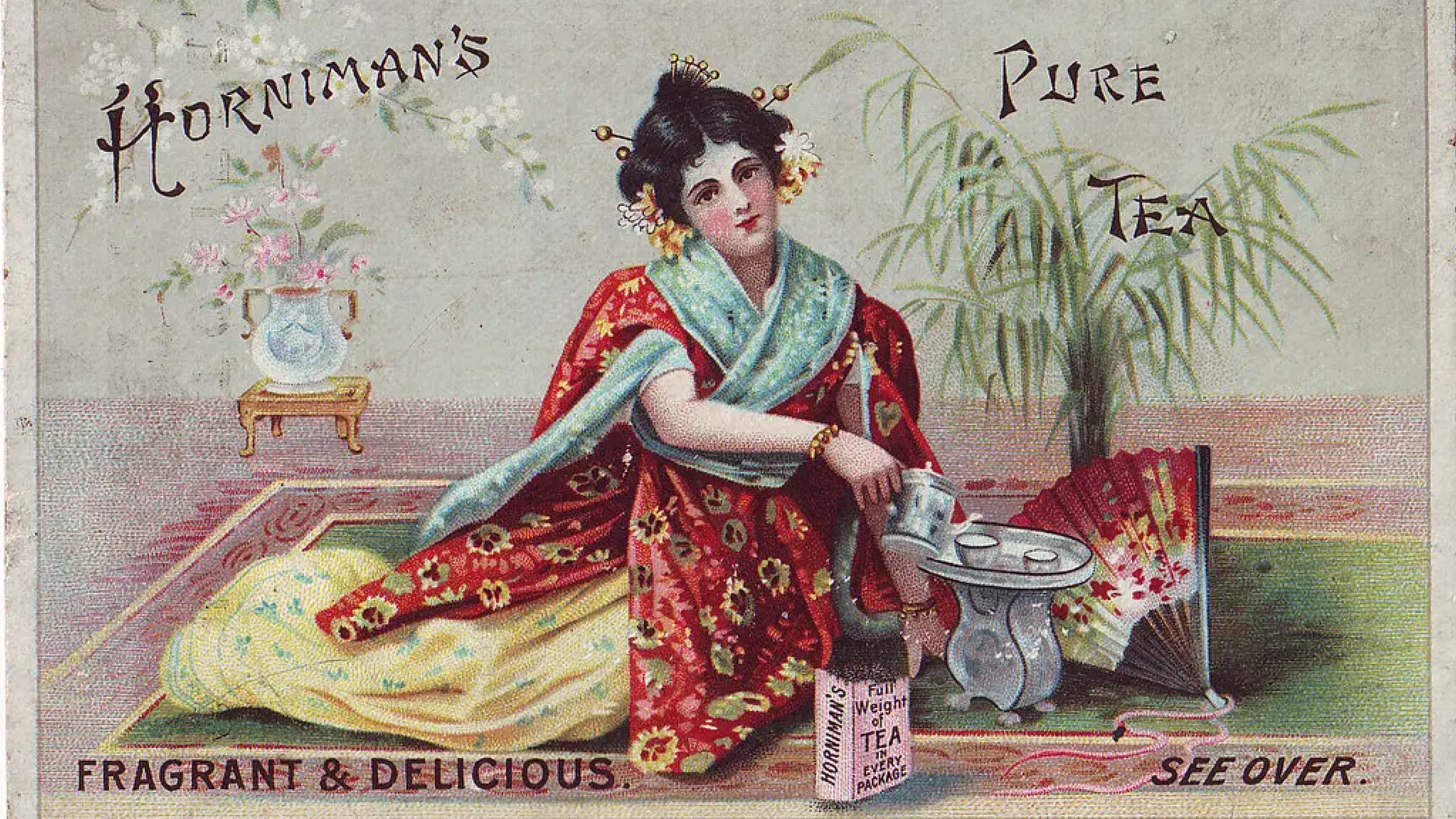
Western propaganda would later scapegoat the Chinese for the opium crisis, leaving Chinese people villainised and excluded from Western society. But for the European social elite, China would simply go out of fashion; any notion of Chineseness quietly erased from the goods that were once showpieces within their Chinese Rooms.
Western content creators who have decided to “become Chinese” similarly dictate Chineseness from the comfort of the imitation Chinese Room they have constructed within their phone screens.
They have the privilege of accessing Chinese spaces by choice, speaking over if not plagiarising Chinese voices, and superficially imitating aspects of Chinese culture while remaining blissfully ignorant of the acts of violence, racism and discrimination faced by Chinese people, sometimes in their very neighbourhoods.
Such uncomfortable experiences have no place within the confines of the theatrical Chinese Room they have constructed for their entertainment, as they extend too far beyond the understanding of the familiar Western lens from which they can safely view the world.
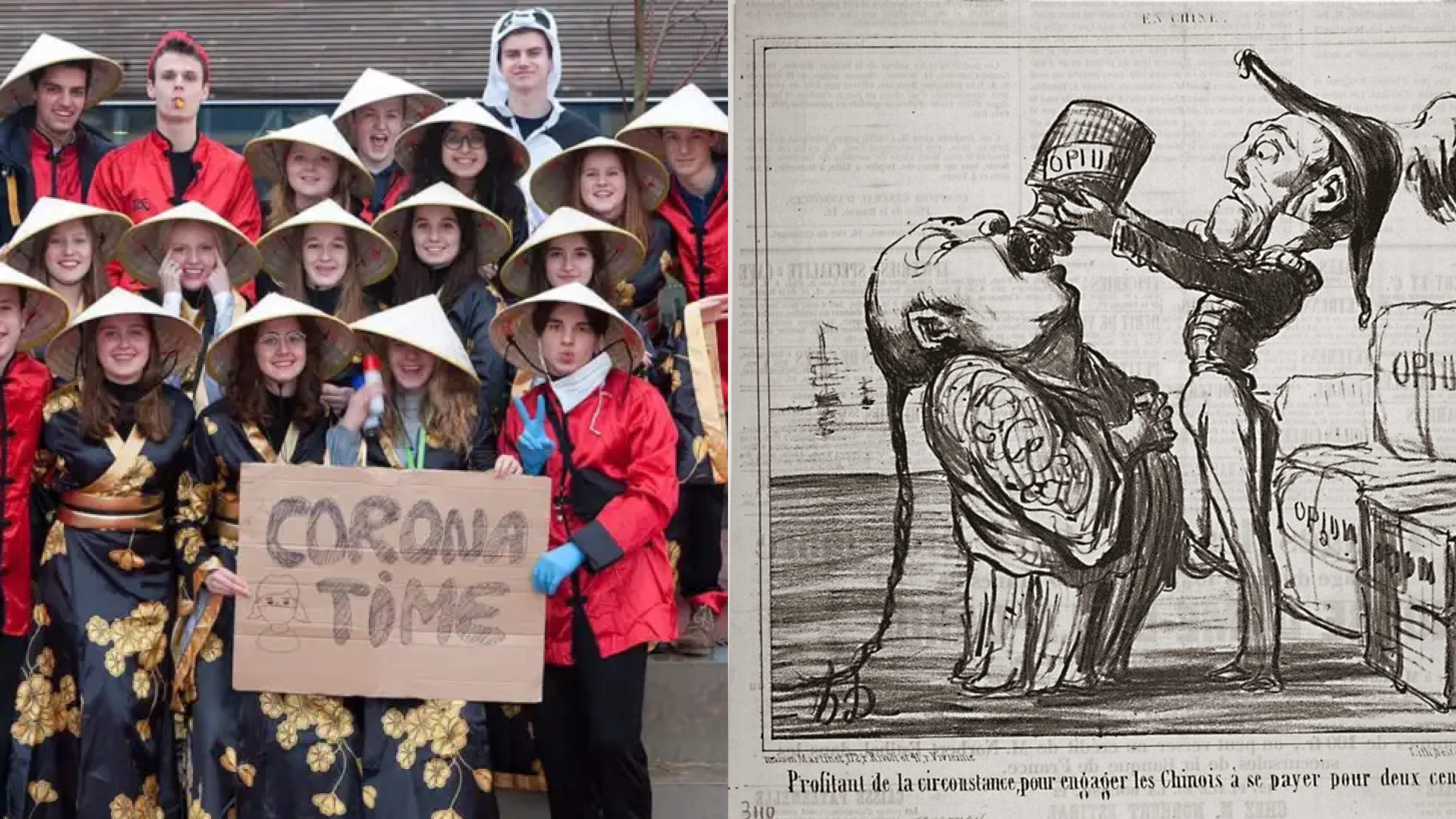
The shortening lifecycle of social media trends paired with today’s Sino-Western political instability means it’s highly likely that China will go out of fashion again. Content creators will then let go of their tainted Chinese identities as they’ll no longer provide any social or financial gain.
They might continue to drink hot water as they’ve found it helps their digestion or relieves their menstrual cramps, but will no longer advertise the practice to their followers as “Chinese” at the risk of losing followers.
Real Chinese people will continue to be Chinese. They’ll bear the consequences of appearing Chinese as Western narratives continue to dominate and restructure the way China is perceived.
On the Western stage, real Chinese people are assigned the responsibility of representing “the larger whole from which they emanate”, whether positive or negative; accurate or inaccurate. Chinese people in Western spaces lack the privilege of quietly erasing their otherness when it doesn’t suit them.


It’s a pleasure to see non-Chinese content creators possess a genuine interest in Chinese culture and a willingness to learn that goes beyond drinking hot water on camera for clout.
It’s even better to see non-Chinese creators participating in Chinese trends, who take the time to use their platforms to speak out against misinformation, stereotypes and the treatment of Chinese migrants in their communities among other acts of violence and discrimination.
I’m still glad you’ve found yourself at a very Chinese time in your life. There’s so much to see and learn about our rich culture that I can’t wait to share with you. But to become Chinese, that is if you’re truly interested in celebrating our traditions with us and practising our values, you must first be willing to venture beyond the comfort of your Chinese Room.
Good write up Millie. Yes, it is Orientalism, but I do hope it becomes the gateway to people exploring the richness Chinese culture has to offer - millennia of Tang style poems, eons of literature, to today where the balance between East/West is constantly being critiqued and reevaluated
Went to the Tokyo National Museum this past weekend and was very much entertained by the amount of goods with the description basically saying: “this was made for white people - this was not made for Japanese”. Like everything else, white people will take what works for them and leave the people and culture behind